Foundation models and the next wave of abdominal CT AI
Whole-body segmentation, multi-disease classifiers, and CT foundation models are arriving fast. Where does a focused, anatomy-aware detector like Atlas fit in that landscape?
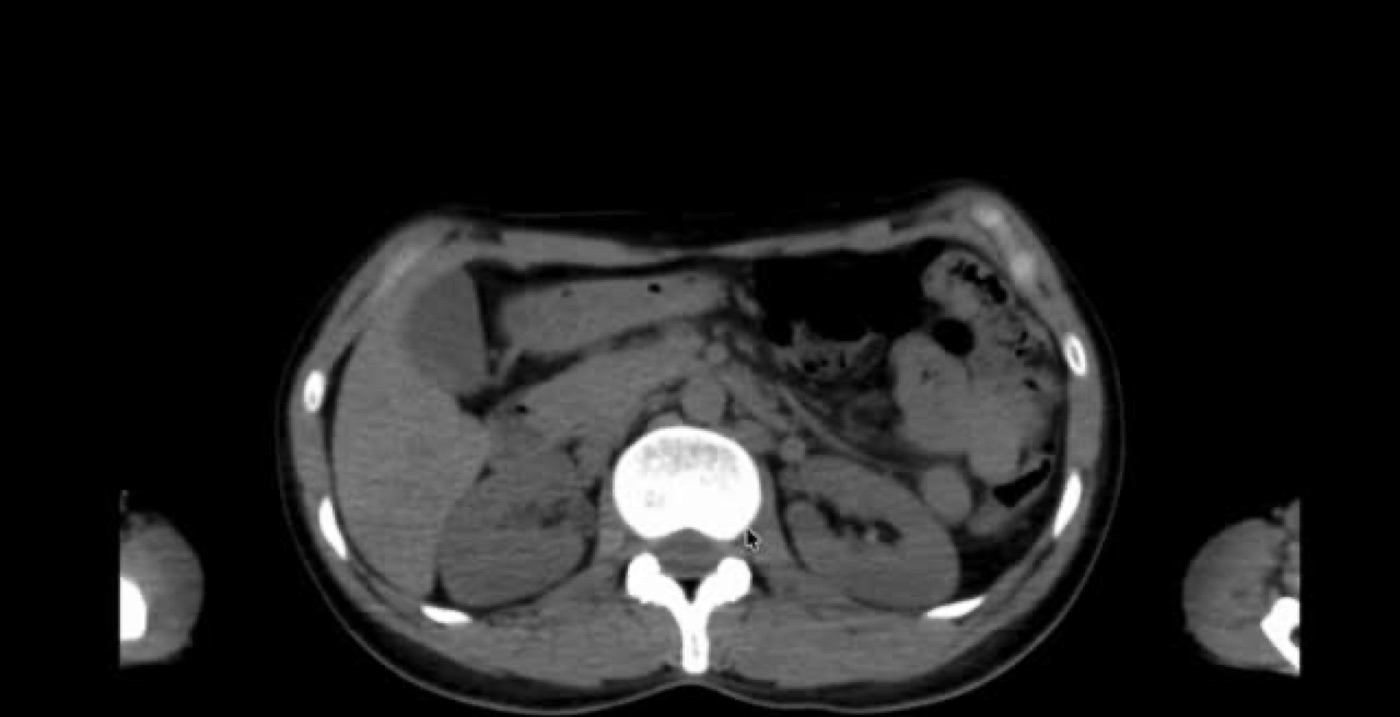
A fast-moving landscape
Abdominal CT AI is consolidating around a few powerful building blocks. Whole-body segmentation models now label 104 anatomic structures from a single CT reliably and off the shelf [1]. Broad multi-disease classifiers cover dozens of conditions across the abdomen and pelvis [2]. And large, openly released CT datasets and foundation models, like the Stanford Merlin abdominal CT resource we used for external validation [3], are lowering the barrier to building and testing across institutions.
Classification is not the whole job
These advances are real, but a study-level label is still only part of an emergency triage workflow. A scoping review of abdominal radiology AI found that detection with explicit localization remains comparatively uncommon [4]. That is the gap Atlas targets: not just predicting that one of six emergencies is present, but drawing the box and naming the abdominal region, so the output slots into how radiologists actually read and report.
Focused models still earn their place
There is a temptation to assume bigger and broader always wins. In practice, a focused model with a locked clinical scope is easier to validate, calibrate, and reason about, and it can be combined with foundation components rather than competing with them. Atlas can sit on top of a segmentation backbone for anatomic plausibility while keeping its own narrow, auditable detection task.
Evidence standards have to keep up
As capability grows, the standard for evidence has to grow with it. Transparent reporting of datasets, thresholds, calibration, and external performance, as set out in the 2024 CLAIM update [5], is what separates a demo from a claim. The most useful contribution a small team can make right now is not the biggest model, but the most honest evaluation.
References
- Wasserthal J, et al. TotalSegmentator: robust segmentation of 104 anatomic structures in CT. Radiol Artif Intell. 2023;5(5):e230024.
- Rajpurkar P, et al. a2z-1 for multi-disease detection in abdomen-pelvis CT. arXiv:2412.12629. 2024.
- Stanford AIMI. Merlin Abdominal CT Dataset (v1.0). Redivis; 2026.
- Fotis A, et al. From promise to practice: a scoping review of AI in abdominal radiology. Abdom Radiol. 2026;51:1608-1617.
- Tejani AS, et al. Checklist for Artificial Intelligence in Medical Imaging (CLAIM): 2024 update. Radiol Artif Intell. 2024;6(4):e240300.