Evreon AI · Blog
Research notes from the reading room.
How we build and evaluate clinical AI for abdominal CT. Method, evidence, and the honest edges of the work, kept separate from product and pilot claims.
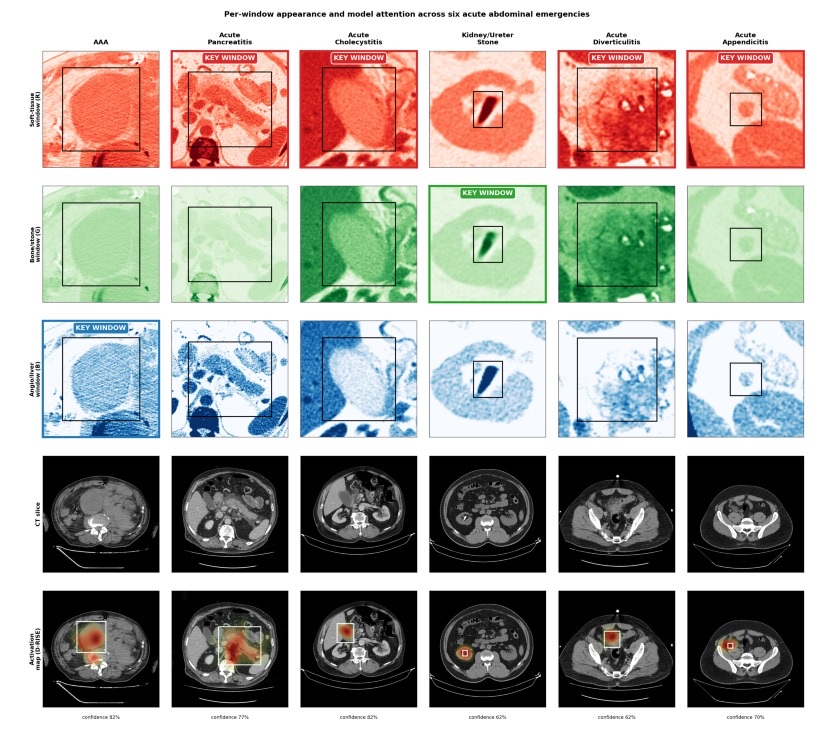
Inside Project Atlas: anatomically localized detection of six acute abdominal emergencies on CT
How Atlas classifies and localizes six acute abdominal emergencies on CT, what the numbers actually mean, and why anatomy-aware localization and honest external validation matter more than a single headline metric.
Read the article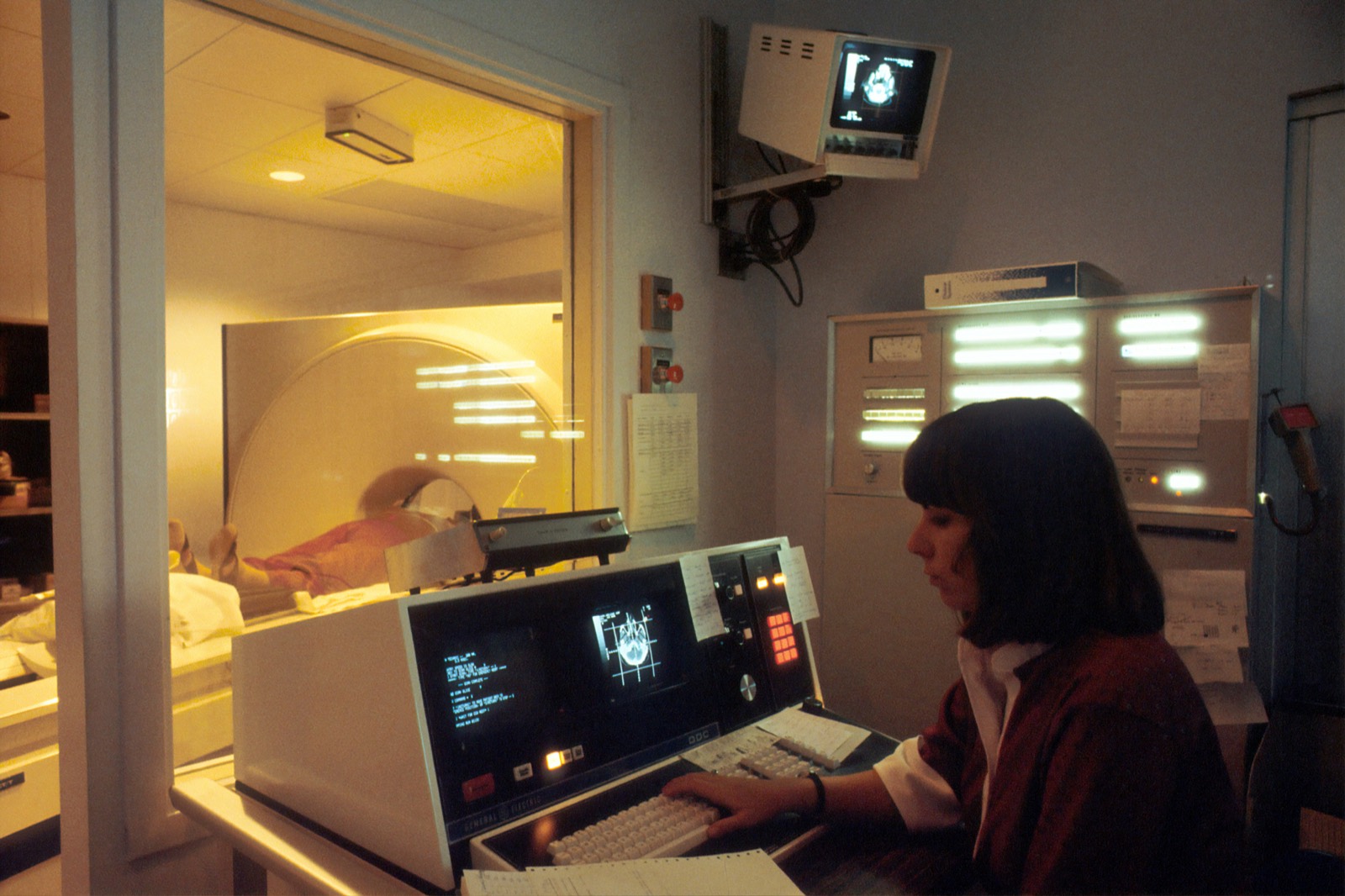
Why anatomy-aware localization beats a classification score
A probability that something is wrong is not enough. Here is why Atlas maps every detection to the nine-region abdominal grid, and what that buys you in the reading room.
Read the article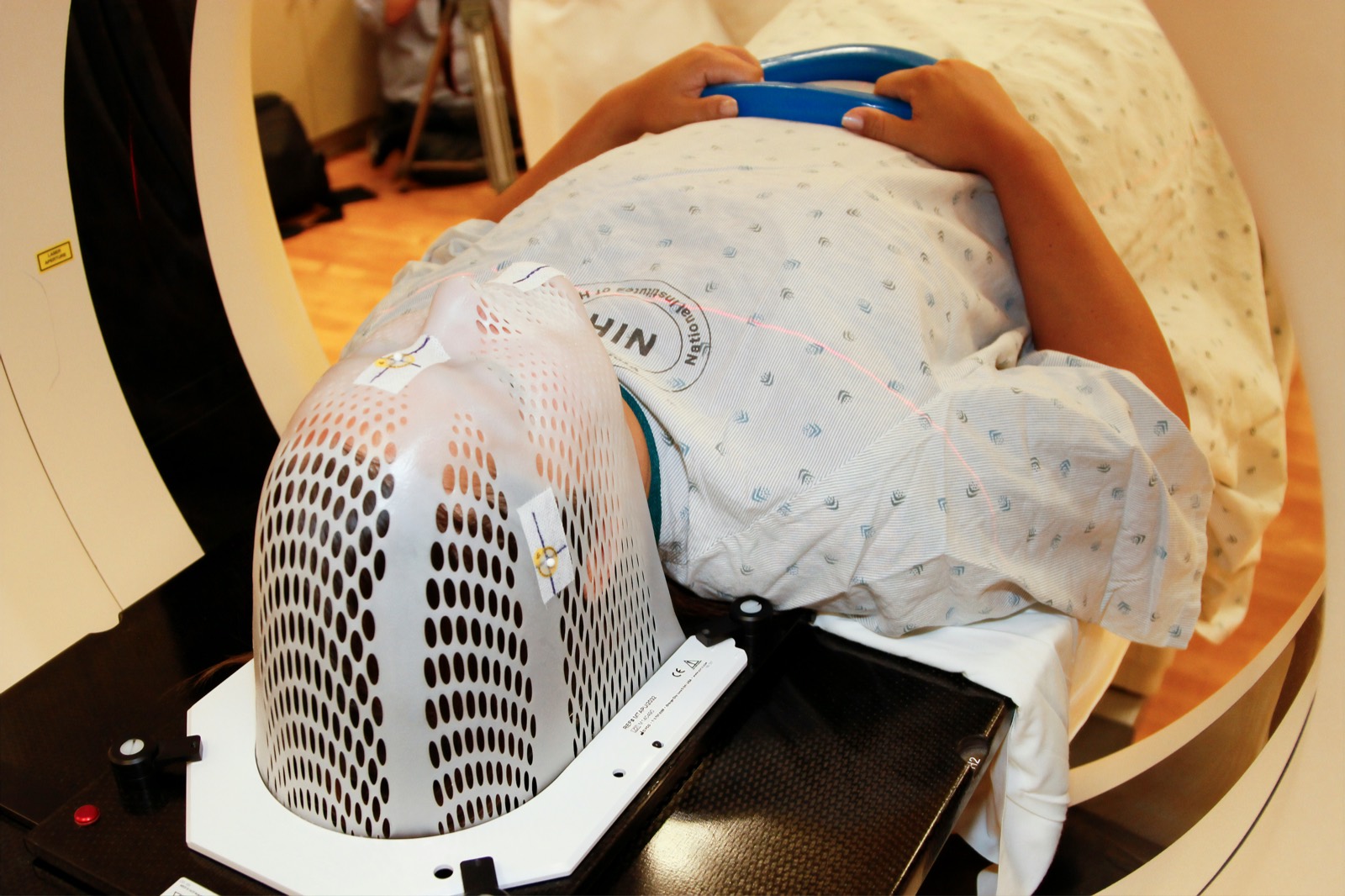
Multi-window CT encoding, and what actually made Atlas generalize
Calcified stones, inflamed bowel, and vessels each want a different CT window. Encoding three windows into three channels did not raise the internal score, but it helped the model travel.
Read the articleRead more
The full archive.
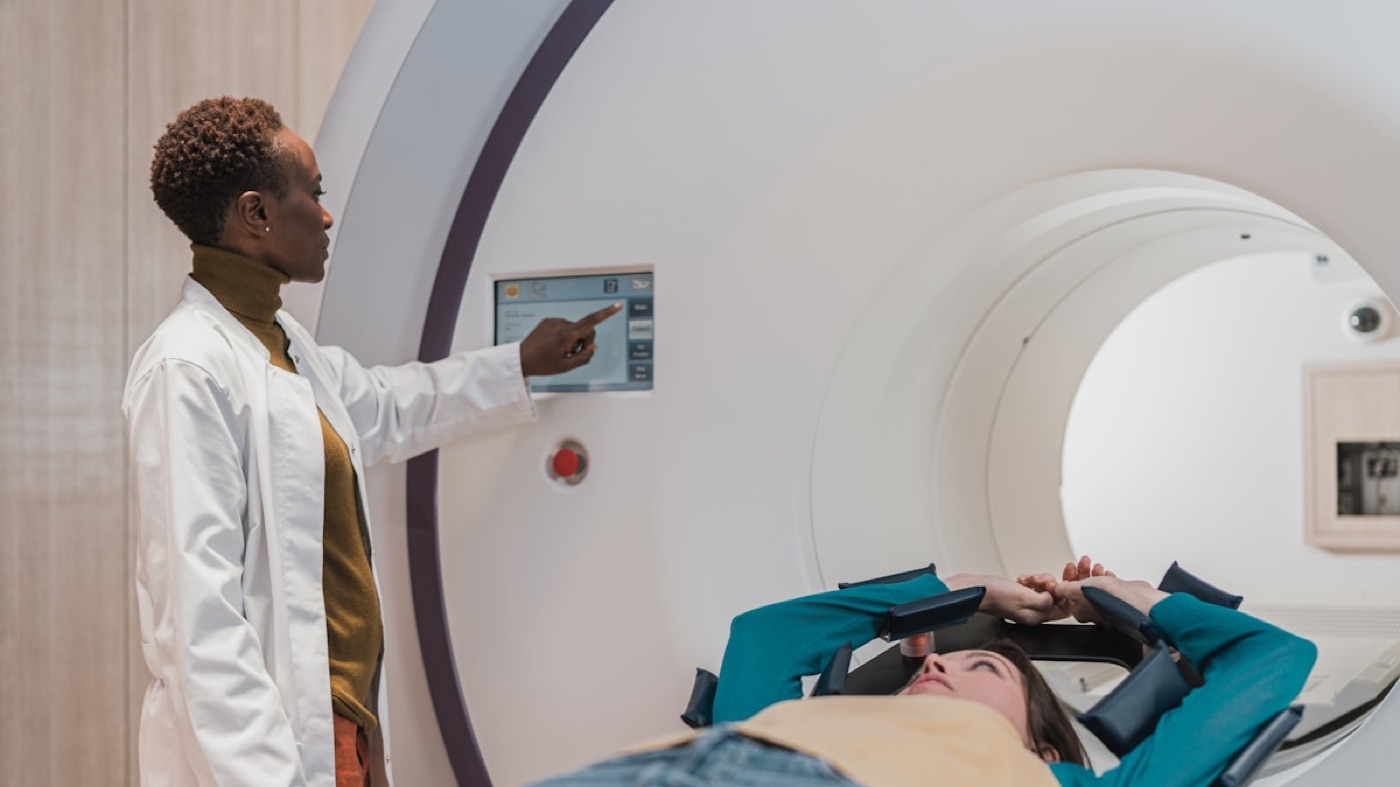
External validation: a model trained in Türkiye, tested in California
Internal accuracy is the easy part. We froze the weights and thresholds and ran Atlas on a US cohort it had never seen. Here is what transferred, what did not, and why that distinction matters.
Calibration is a deployment problem, not a training detail
A detector's confidence score is not a probability. If you want a clinical AI to support decisions, the gap between those two things is where the work is.
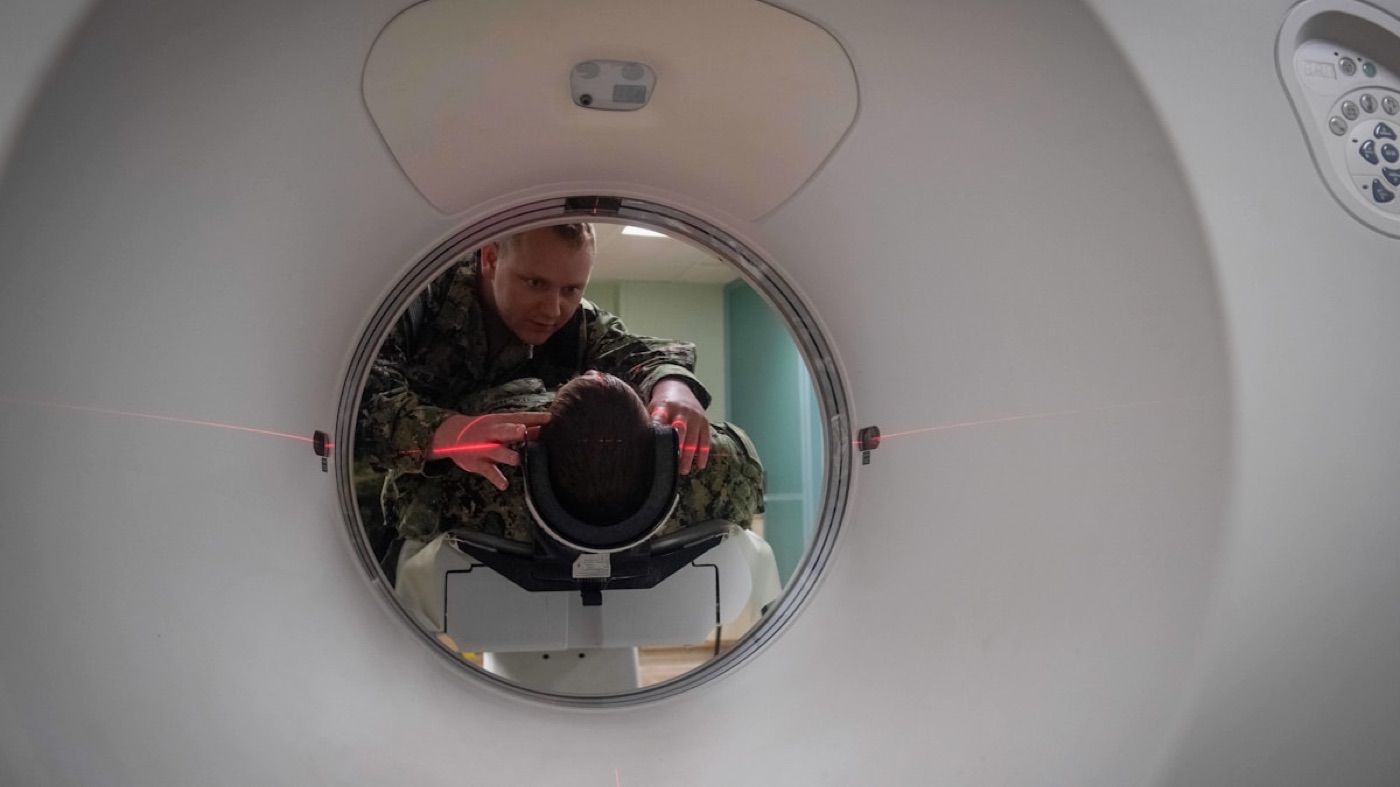
Anatomy as a safety net: segmentation-aware checks for CT AI
A detection that lands in the wrong organ is a false positive waiting to happen. Pairing detection with anatomy is how you make a triage model harder to fool.
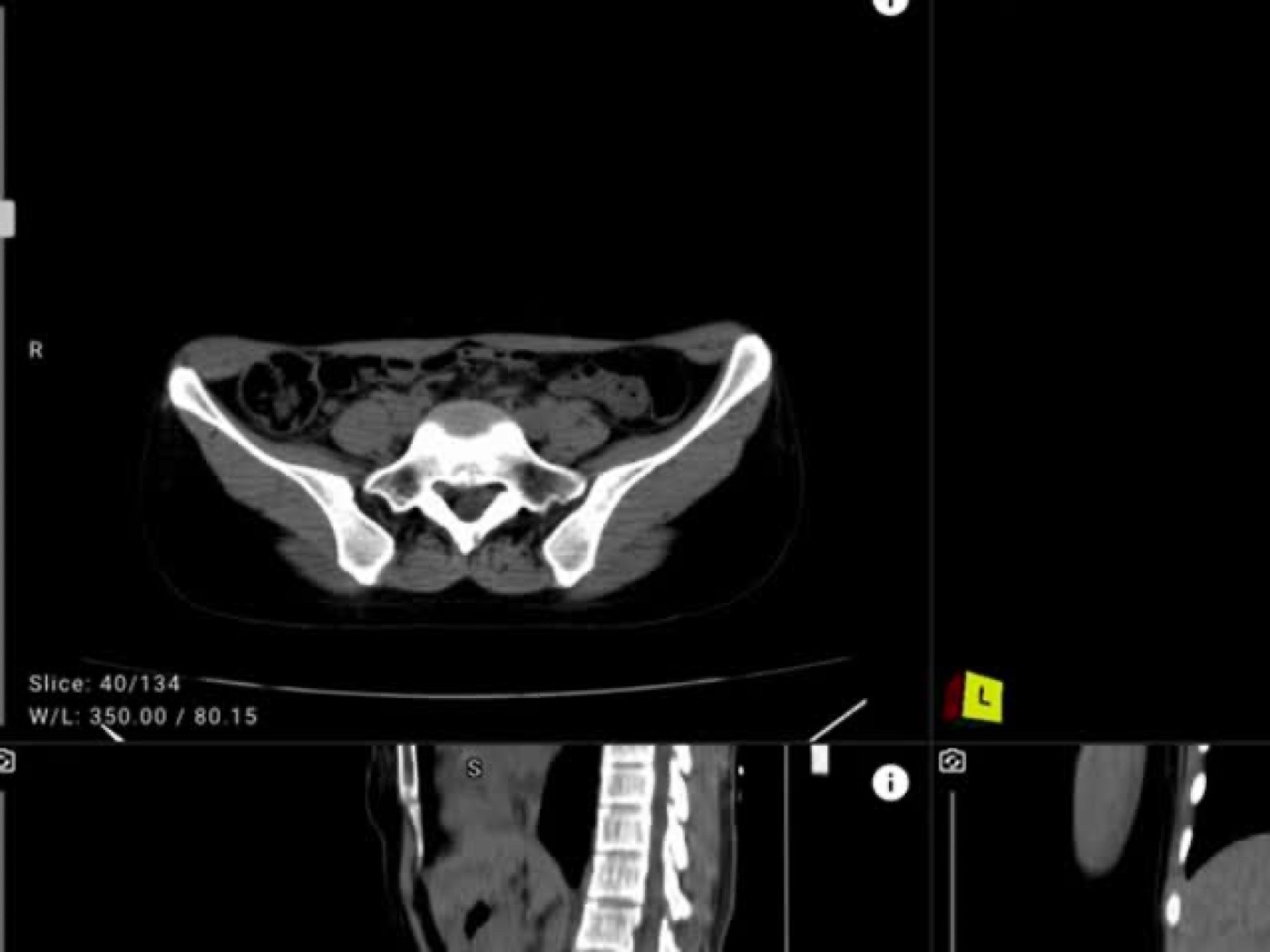
Small objects, big stakes: detecting kidney stones at high resolution
The smallest target in the dataset sets the resolution budget for the whole model. Here is why Atlas reads CT at 1280 pixels and adds a high-resolution detection head.
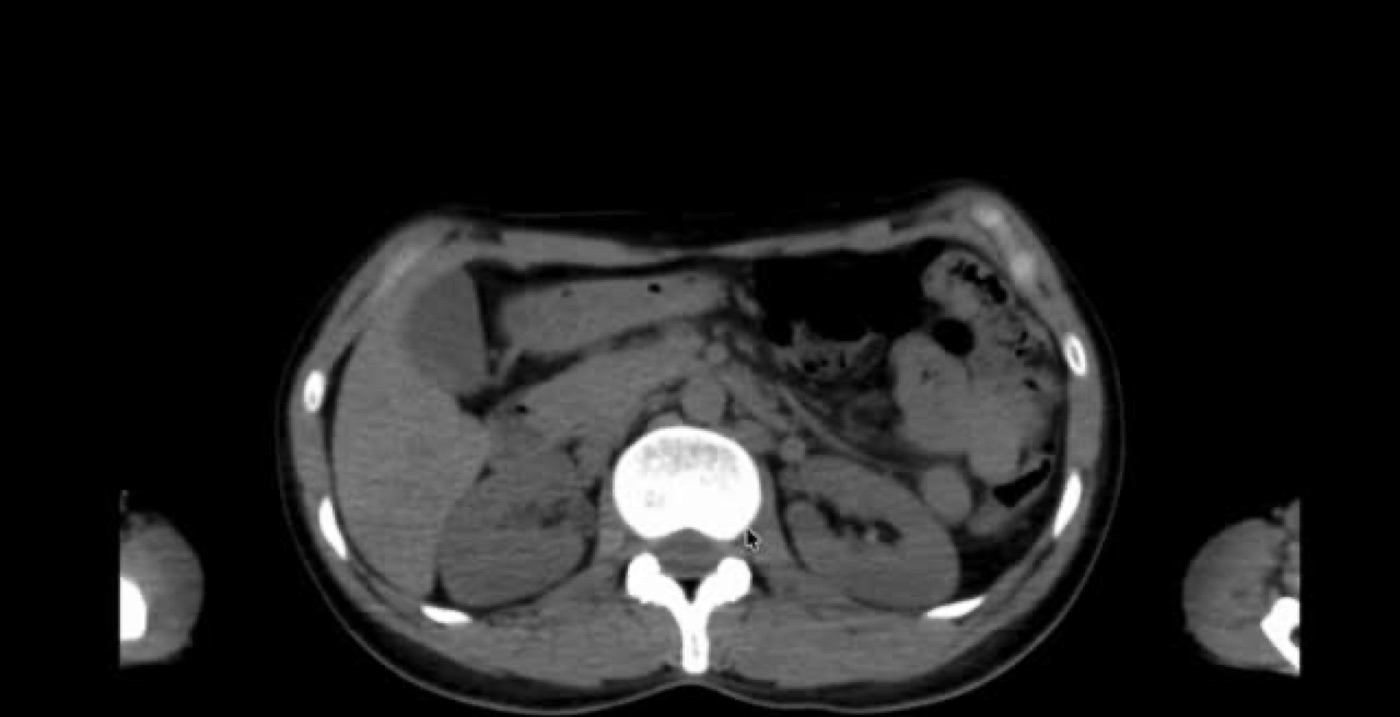
Foundation models and the next wave of abdominal CT AI
Whole-body segmentation, multi-disease classifiers, and CT foundation models are arriving fast. Where does a focused, anatomy-aware detector like Atlas fit in that landscape?
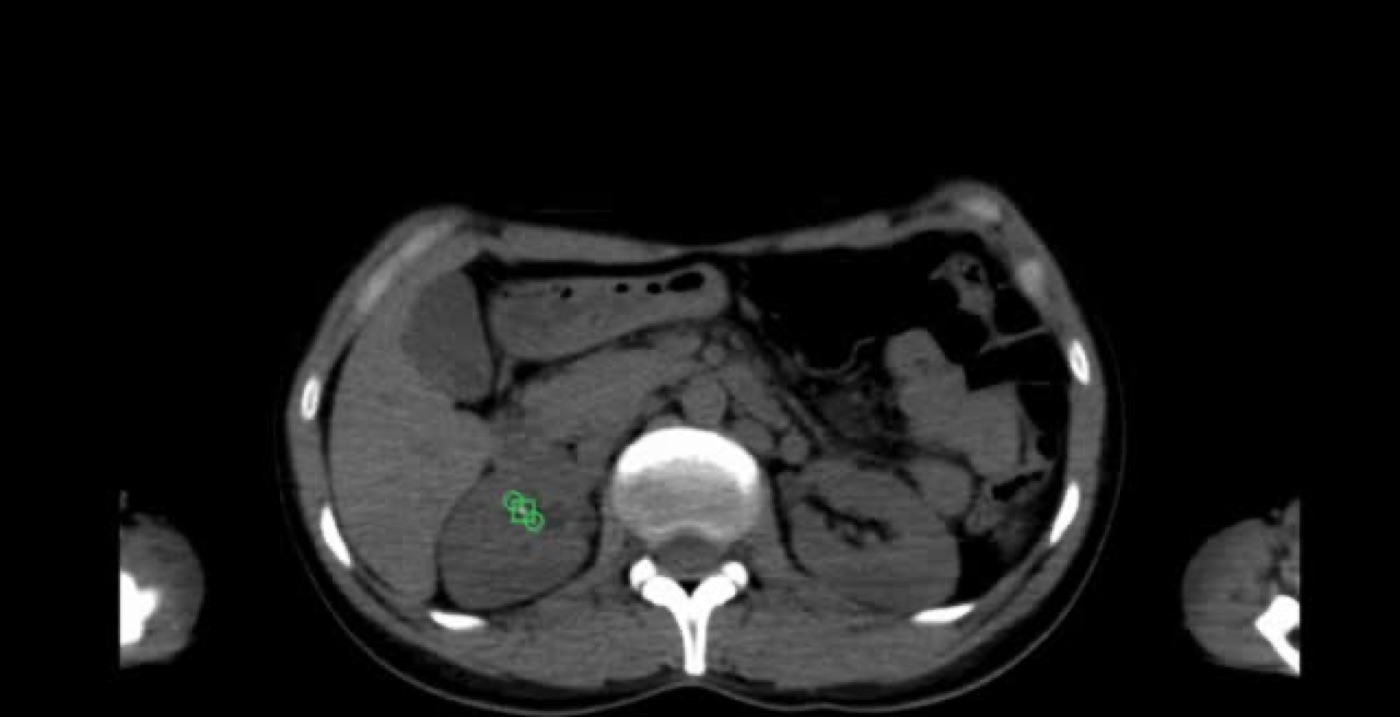
Building clinical AI for European hospitals: local-first and honest
Cloud-first AI is a hard sell to a hospital that cannot send patient data off site. We build for the opposite default: runs locally, proves itself across borders, and says what it cannot do.
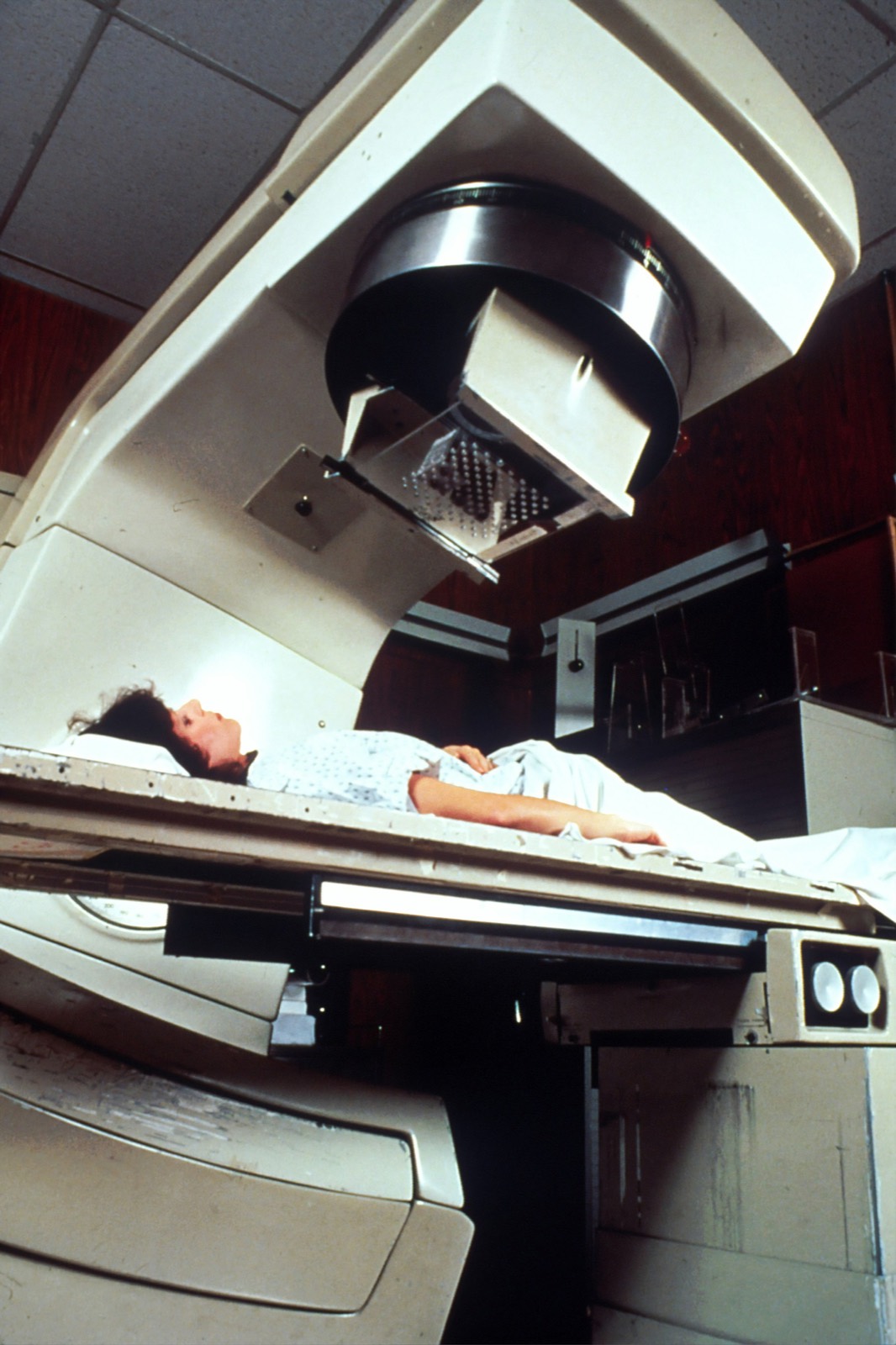
The FDA-cleared landscape of emergency imaging AI, and the gap Atlas targets
Hundreds of imaging AI products are FDA-authorized, but almost all do one narrow thing. Here is how the cleared landscape is shaped, and where a multi-pathology abdominal detector fits.
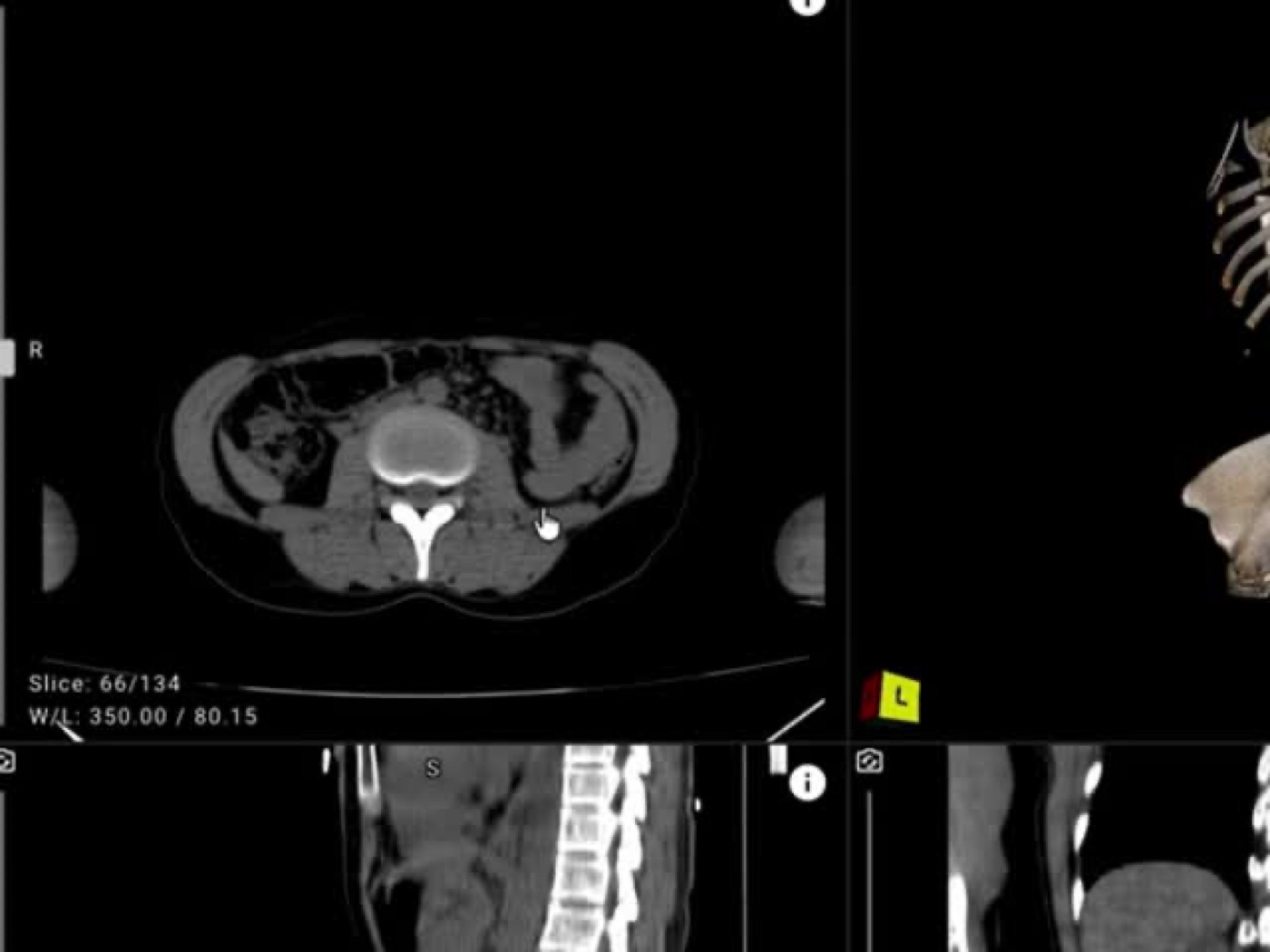
Reporting agents: the shift from dictation to draft reports
The radiologist's deliverable is the report, and the tooling around it is changing fast: from speech recognition to AI that drafts the language. Where does a detection model fit?
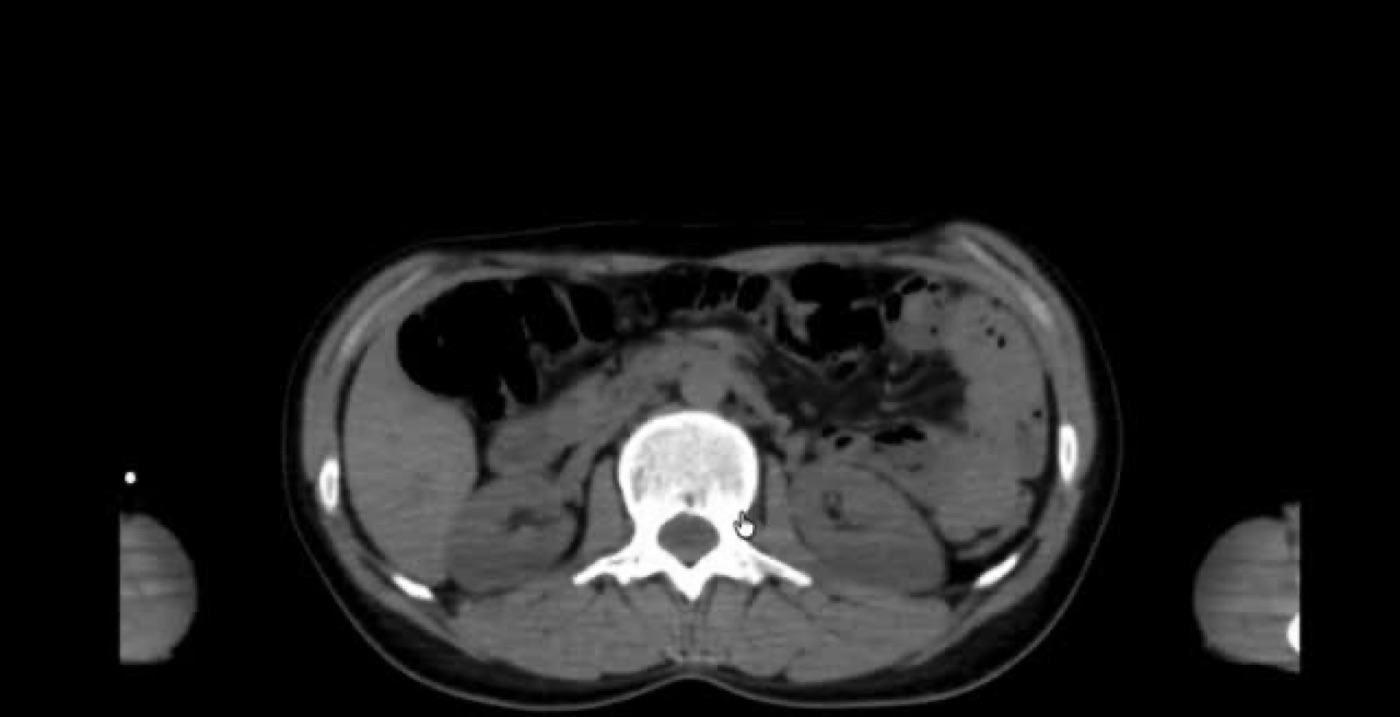
Where abdominal CT AI is still underserved
Imaging AI has matured fastest in stroke and chest, where the clinical payoff is sharp. The abdomen, with its many organs and contrast-dependent findings, has been left comparatively thin.